Pigmentation
Small changes in visible pigment can accompany early sun damage. Fractional renewal may help even the appearance of the skin surface.
Fractionated 1927 nm laser by Sciton
MOXI is a 1927 nm non-ablative fractional laser for early pigment changes and uneven texture. It creates microscopic treatment zones with untreated skin between them. Different skin types can be considered after assessment, with sun exposure affecting timing.
Book a consultationEarly changes at the skin surface
Early sun-related pigment can sit alongside a rough or uneven surface. MOXI addresses skin renewal through small treatment zones, making it a different option from light directed mainly at visible colour.
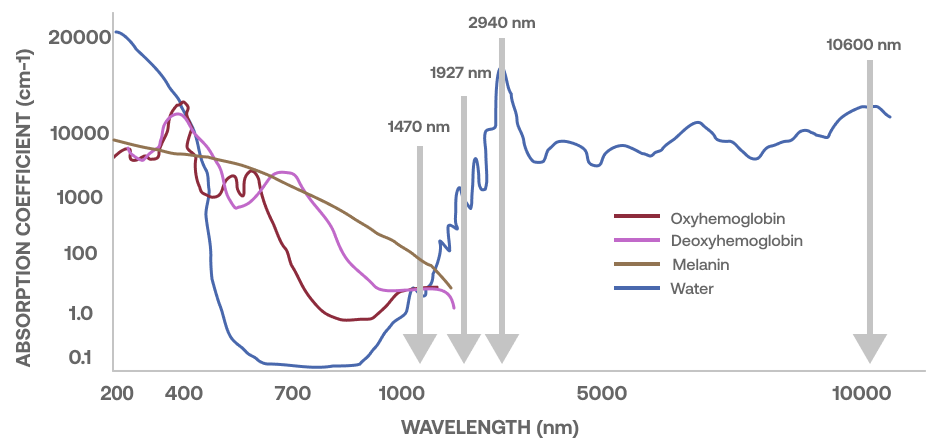
The 1927 nm wavelength is absorbed by water within skin. Fractional delivery creates controlled microzones while leaving surrounding tissue untreated, so renewal starts around separate points.
Skin tone alone does not decide the MOXI plan. Its water target allows different skin types to be considered, while the condition of the skin and recent sun exposure still matter.
Small changes in visible pigment can accompany early sun damage. Fractional renewal may help even the appearance of the skin surface.
Roughness can make light reflect unevenly from skin. Renewal around the treatment microzones may soften that surface irregularity.
The calendar does not remove the need for sun precautions. Tanning and planned holidays affect the timing of MOXI sessions.
Skin types across the Fitzpatrick range can be considered. Energy and the spacing of microzones still need to fit the skin being treated.
Fractional laser delivery
MOXI delivers its laser wavelength through separate microzones. Untreated tissue remains between the zones, distinguishing fractional delivery from resurfacing that removes the full skin surface.
Energy controls how strongly each microzone is treated, while density changes the proportion of skin covered. These are separate controls, which is why a MOXI level describes more than intensity alone.
Microzones receive laser energy at discrete points. The skin between those points remains untreated.
The 1927 nm wavelength interacts mainly with water. It does not rely primarily on melanin absorption in the way pigment-focused light treatment does.
Energy and density control different aspects of delivery. Increasing coverage changes how closely the treated points sit across the skin.
The science behind MOXI
Water strongly absorbs the 1927 nm wavelength. That interaction helps explain why MOXI can be considered across skin tones, while careful energy and density selection remain necessary.
Fractionated non-ablative laser.
May be considered across the Fitzpatrick skin type range.
Depth varies according to treatment energy.
Energy interacts primarily with water within the skin.
Understanding the MOXI levels
MOXI levels describe combinations of energy and density. The figures below are original published settings, not instructions for choosing a level yourself.
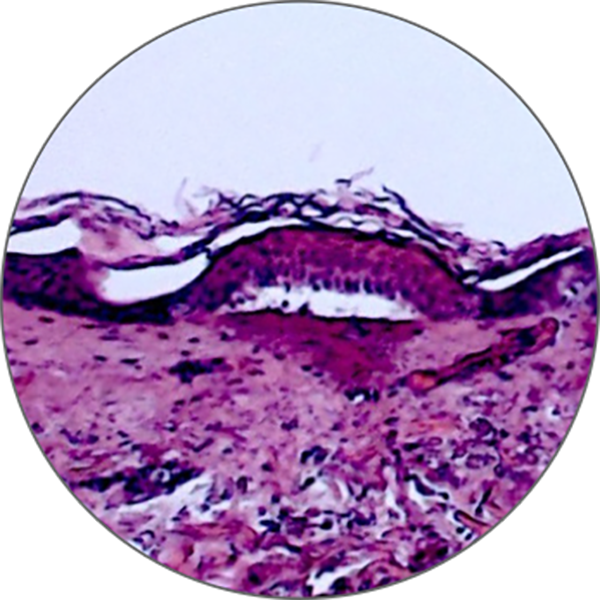
A lighter level for early surface changes or maintenance, using the lower energy and density ranges shown below.
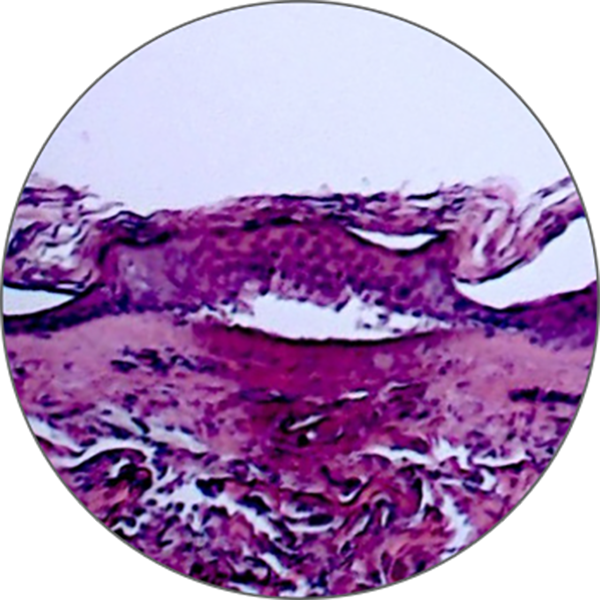
An intermediate level where pigment and surface unevenness need more fractional coverage than the lighter option.
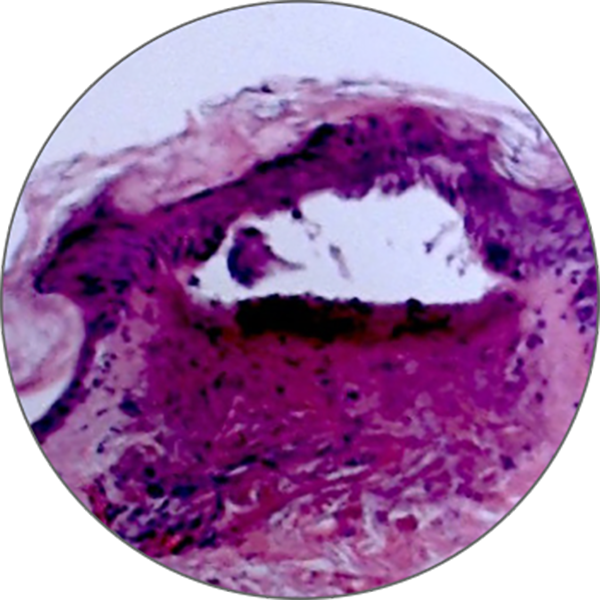
The higher published energy and density range treats more of the skin through microzones. Its role depends on the degree of surface change.
Beyond the face
The face is one possible MOXI area. Sun-exposed skin on the neck, chest or hands can also develop pigment and roughness; selected arms and legs may be considered when the concern fits fractional renewal.
Before & after
Official clinical cases supplied by Sciton, showing different skin tones, starting points and treatment plans.
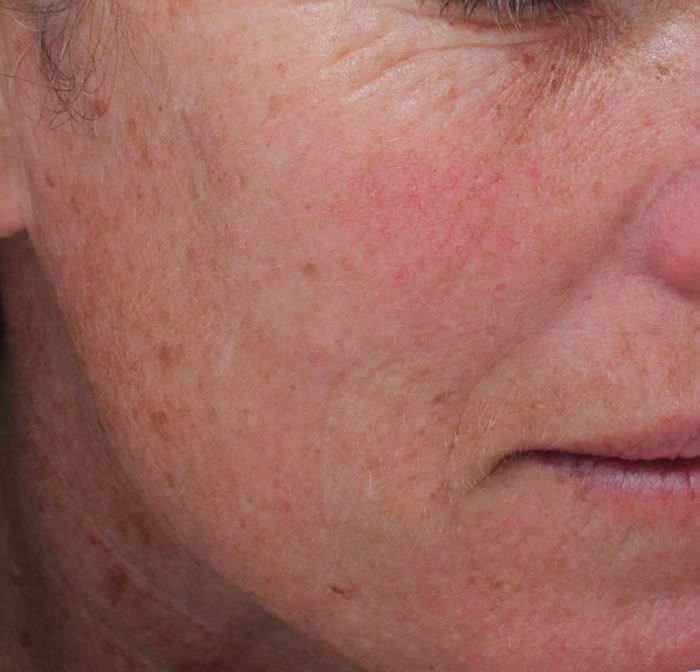 Before
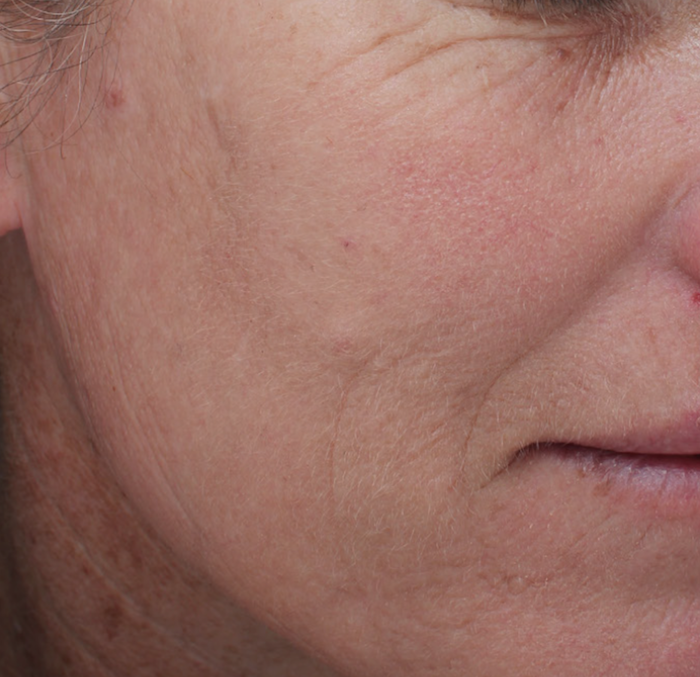 After
After
Courtesy of Steven Swengel, MD. Clinical imagery supplied by Sciton.
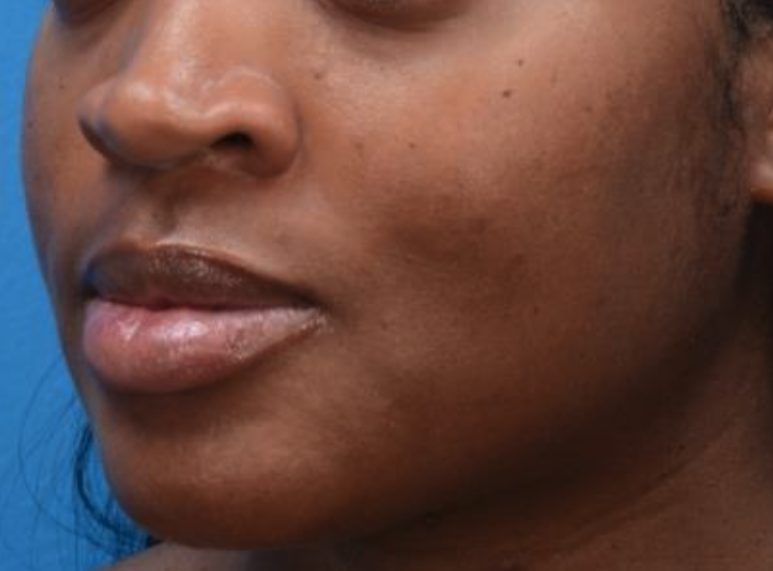 Before
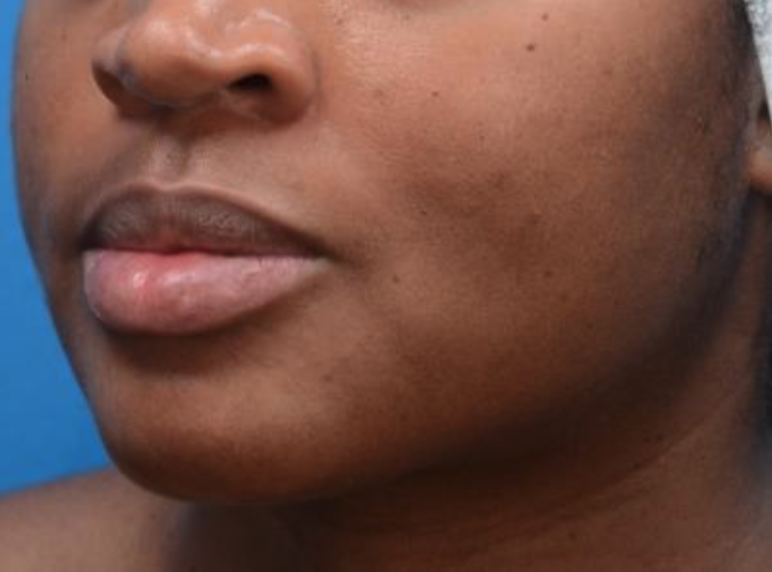 After
After
Courtesy of Jason Pozner, MD. Clinical imagery supplied by Sciton.
These images show patients treated by Sciton providers and are presented as examples of individual treatment responses. They are not Raquel Campos patient results unless specifically stated. Results vary according to skin, treatment settings, number of sessions and individual response.
The skin response to MOXI
Pinkness, warmth and a rough or bronzed texture can occur after MOXI. These changes reflect the fractional treatment zones and vary with energy, density and skin response.
Skin may look pink or red and feel warm following treatment. The degree and duration of this response depend on treatment intensity and individual sensitivity.
Small treated microzones, often referred to as MENDs, may become darker and give the skin a temporarily rough or sandpaper-like texture.
Treated microzones gradually shed as the skin renews. Gentle cleansing and moisturising support care of the surface, alongside consistent sun protection during recovery.
MOXI and exposure to sunlight
Sun exposure affects skin before and after fractional laser treatment. A recent tan or upcoming sunny holiday can change the timing, even when MOXI is being considered during that season.
Your fractional laser appointment
We look at the condition of the surface alongside its pigment changes. Tell us about earlier resurfacing and how your skin reacted.
We examine roughness and pigment distribution, and ask about sensitivity, tanning and medicines. Planned travel helps us discuss when fractional treatment can fit.
We explain the proposed energy and density, and the skin changes these can cause. You receive guidance for caring for the microdots as the surface renews.
We review how texture and pigment have responded to MOXI. That response informs whether further fractional renewal or a separate colour-focused treatment is relevant.
MOXI with BBL in The Edit
Forever Young / Luxe Skin adds BBL colour treatment to MOXI fractional renewal. The laser acts through microzones, while BroadBand Light uses filters for selected pigment and redness.
MOXI laser in London uses fractional technology to support skin renewal where early pigmentation, sun-related changes or uneven texture are concerns. Its renewal-focused action may help the complexion look smoother and more refreshed, with visible changes dependent on individual skin response.
Fractional laser energy creates targeted areas of renewal within the skin. This can support a more refined-looking surface where uneven texture affects the appearance of the complexion.
MOXI may help address selected early pigmentation and visible sun-related colour changes. Supporting skin renewal can contribute to a more uniform-looking complexion rather than a promised reduction in every pigment concern.
Renewal of the skin surface may help improve the appearance of dullness. The intended benefit is skin that looks more refreshed, with the degree of visible change varying between individuals.
Fractional renewal can have a role in skin maintenance as well as more focused texture concerns. Its purpose is to support the appearance of skin quality without assuming all skin needs the same intensity.
Consultation will establish whether MOXI and the proposed approach suit you. Book a consultation.
MOXI laser questions
MOXI is a fractionated non-ablative 1927 nm laser. It delivers controlled energy into microscopic treatment zones while leaving surrounding tissue intact, supporting the skin's natural renewal process.
MOXI may be considered for early pigmentation, uneven tone, selected signs of sun damage, texture and ongoing skin maintenance. Your consultation confirms whether it is appropriate for your skin.
MOXI can be considered across Fitzpatrick skin types I to VI because its 1927 nm wavelength primarily targets water. This does not make every setting suitable for every skin tone. We select energy and density after examining your skin and checking its previous reactions.
MOXI may be considered throughout the year when clinically appropriate. Recent sun exposure, tanning, planned travel, skin condition and your ability to follow appropriate sun-protection guidance are considered before treatment.
MOXI creates microscopic treatment zones without removing the full skin surface. Ablative resurfacing removes tissue at the surface using a different delivery approach. MOXI still causes a visible skin response, and the choice depends on the concern and the degree of renewal being considered.
Small treated microzones can become visible as darker microdots, sometimes called MENDs. They can give the surface a rough or sandpaper-like feel before shedding as skin renews. The amount of visible change depends on the treatment settings and your skin response.
Energy affects each microzone, while density affects the amount of skin covered by those zones. A higher density means more treated points across the area. We use both controls to select the proposed level, taking account of texture, pigment and how your skin has reacted before.
Yes, when clinically appropriate. MOXI and BBL may be combined when texture, pigmentation and tone need to be approached within the same wider skin plan.
MOXI may be considered as an ongoing maintenance treatment for selected patients. Frequency and intensity should be determined according to your individual skin, treatment history and response.
We offer MOXI laser treatment at our clinic in Belgravia, London. Each plan starts with a consultation, where we look at your pigmentation, texture and signs of sun exposure and talk about the level of treatment you would like. Settings and sun precautions are then selected for your individual skin.
1927 nm is the wavelength of light that MOXI uses. At this wavelength the laser works close to the surface of the skin, which is why it suits early pigment and texture concerns. It creates controlled microzones and leaves the surrounding tissue intact, so the skin can begin its natural renewal process.
No. MOXI is a non-ablative fractional laser that renews the skin through controlled microzones, while BBL HEROic uses BroadBand Light to target visible pigment and redness. They work in different ways and are selected for different concerns. Your consultation helps us decide whether one of them, or both, suits your skin.
It helps to come with a clear picture of your skin history. Tell us about recent sun exposure, any holidays you have planned, your current skincare and treatments you have had before. Sun exposure and timing are part of how we plan MOXI, so this information helps us set your treatment around the season and your skin.
MOXI may be considered for early visible pigment and selected signs of accumulated sun exposure, which can include some age spots. Every mark is reviewed at consultation before treatment is planned. Our journal article on age spots explains prevention and treatment options in more detail if you would like to read ahead.
Early pigment and uneven texture
Discuss early pigment marks or rough texture with us in Belgravia. We can explain MOXI microzones and how fractional renewal fits alongside your sun plans.
Book a consultation